Lower Your Blood Sugar Naturally — Starting Today
Discover diet strategies, lifestyle habits, and the surprising 2-minute trick that flattens glucose spikes and improves insulin sensitivity — no extreme diets required.
See the #1 Trick ↓ Free to read · No signup required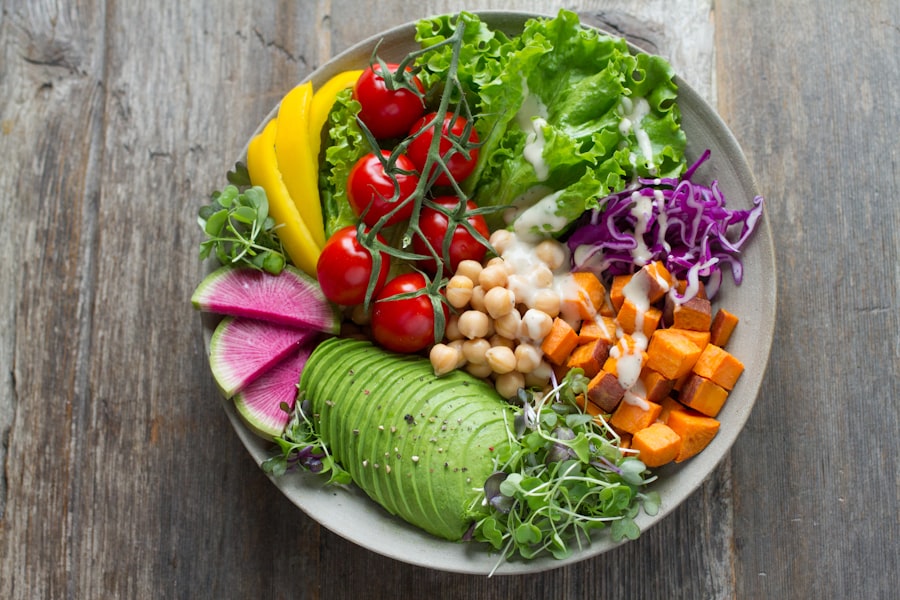
High Blood Sugar Is the Silent Enemy You Can't Feel
Hyperglycemia rarely hurts. It works silently, damaging your nerves, kidneys, eyes, and blood vessels for years before any symptom appears. Tens of millions of people have dangerously elevated glucose and don't even know it.
The good news? Modern science is clear: lifestyle changes can rival — and often outperform — medication for blood sugar control, especially in early stages. You have far more power over this number than you've been told.
This article is for educational purposes only and does not constitute medical advice. Always consult your physician before changing your diet, exercise, or supplement routine — especially if you use insulin or diabetes medication.
7 Warning Signs Your Blood Sugar May Be Too High
Many people live with chronically elevated glucose without suspecting a thing. Watch for these red flags:
Excessive Thirst
Your kidneys flush excess glucose, pulling water with it — triggering constant thirst that no amount of drinking seems to satisfy.
Frequent Urination
Waking multiple times at night to urinate is a textbook sign. Glucose in urine acts as a diuretic, dragging fluid along with it.
Chronic Fatigue
Despite glucose flooding the blood, cells are starving because insulin can't deliver it properly. The result: relentless exhaustion no amount of sleep fixes.
Blurry Vision
Elevated glucose changes fluid inside the lens of your eye, distorting focus — often mistaken for simply needing new glasses.
Slow-Healing Wounds
High blood sugar impairs circulation and weakens immune response, making even minor cuts and bruises take far too long to heal.
Constant Hunger
When cells can't absorb glucose properly, they keep sending hunger signals to the brain — even shortly after a full meal.
Tingling in Extremities
Persistent high blood sugar begins damaging peripheral nerves, causing tingling, numbness, or burning sensations in hands and feet.
The Surprising 2-Minute Post-Meal Trick That Flattens Blood Sugar Spikes
Researchers at leading metabolic labs — and thousands of people wearing continuous glucose monitors — have confirmed what was once just folk wisdom:
Walk 10 Minutes After Every Meal
A gentle 10-minute walk after eating — not before, not hours later, but within 20–30 minutes of your last bite — can reduce post-meal blood sugar spikes by 22–30% compared to sitting still.
A 2022 meta-analysis in Sports Medicine confirmed that short post-meal walks outperformed a single longer workout for blunting glucose spikes. Even 2–5 minutes had measurable impact — but 10 minutes showed the strongest, most consistent effect.
The protocol: After breakfast, lunch, and dinner, walk for 10 minutes. Around the block. Around your home. On a treadmill. No equipment, no sweat — just movement in the critical post-meal window.
The “Veggies First” Eating Order Trick
The order in which you eat food dramatically affects how high blood sugar rises — and costs absolutely nothing to change.
Studies by Dr. Louis Aronne at Weill Cornell Medicine found that eating carbohydrates last — after fiber, fat, and protein — reduced post-meal glucose peaks by up to 73% and insulin spikes by 48%. The fiber and fat eaten first form a physical “mesh” in the gut that slows carb absorption.
Same plate. Same food. Same calories. Just a different order — and a dramatically flatter glucose curve.
Apple Cider Vinegar Before High-Carb Meals
Taking 1–2 tablespoons of apple cider vinegar diluted in water before a high-carb meal can blunt post-meal glucose spikes by 19–34%, according to multiple clinical trials.
A study in Diabetes Care found vinegar improved insulin sensitivity in insulin-resistant subjects by 34%. A separate trial showed it reduced fasting blood sugar by 4% in type 2 diabetics after 12 weeks.
How to use it: Mix 1 tablespoon of raw, unfiltered apple cider vinegar into a large glass of water. Drink it 10–15 minutes before your biggest meal of the day. Start with a small amount to test your tolerance.
Best Foods to Lower Blood Sugar Naturally
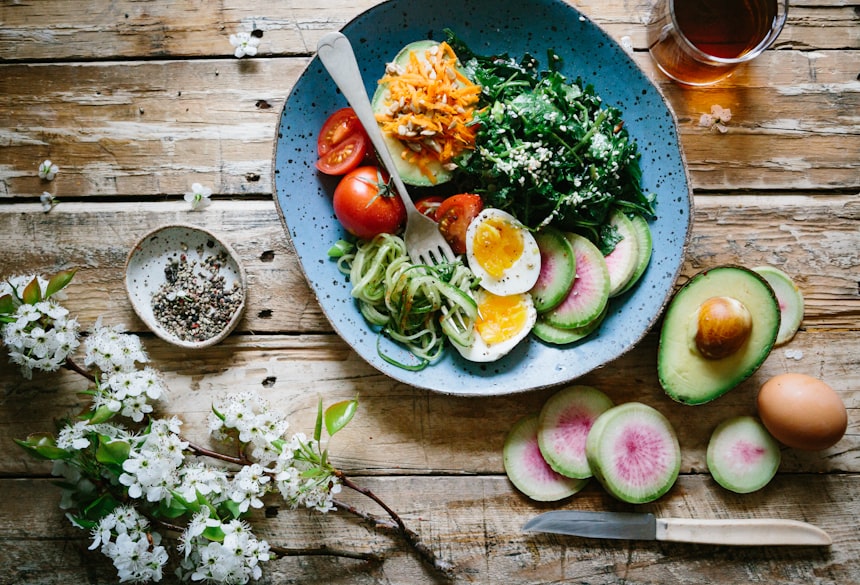
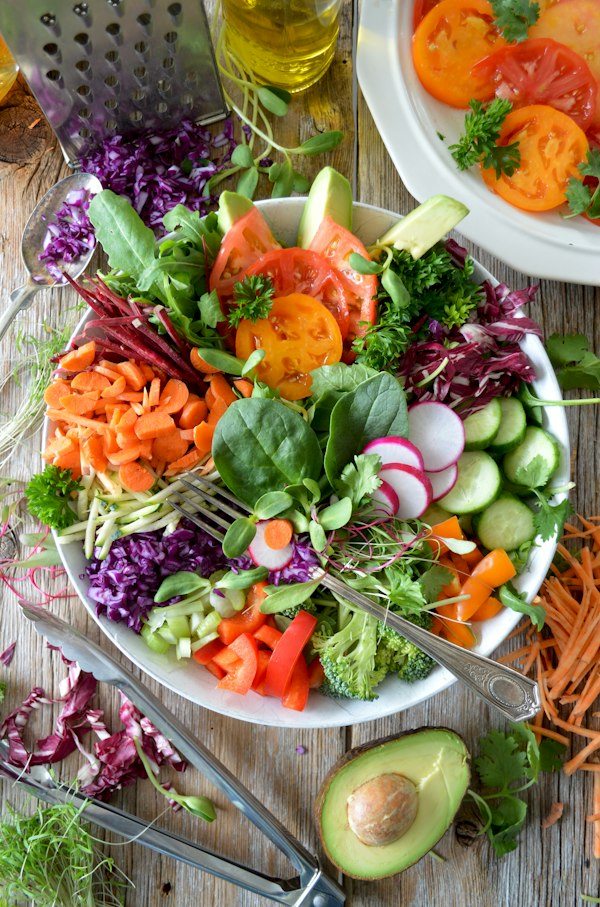
No single superfood is a cure. But this evidence-backed combination works together to improve insulin sensitivity and flatten glucose curves throughout the day.
Spinach, kale & Swiss chard are rich in magnesium, which improves insulin signaling at the cellular level.
Low glycemic, high in antioxidants that protect pancreatic beta cells from oxidative damage.
Monounsaturated fats slow carb absorption, dramatically reducing post-meal glucose spikes when eaten together.
Eating a handful of nuts before meals can reduce glycemic response by up to 30% in multiple studies.
Omega-3s in salmon and sardines reduce inflammation and improve cellular insulin sensitivity directly.
Sulfur compounds improve insulin secretion and have confirmed anti-inflammatory effects in human studies.
Soluble fiber in beans and lentils forms a gel that dramatically slows glucose absorption in the gut.
Sulforaphane in broccoli was directly linked to reduced fasting glucose in published clinical studies.
Catechins increase insulin sensitivity and may reduce fasting blood sugar with regular daily use.
Zero glycemic index, complete protein. Regular consumption linked to lower insulin resistance in multiple cohort studies.
Foods That Spike Blood Sugar — Ranked by Impact
Knowing what to avoid is just as important as knowing what to eat. These are the biggest dietary blood sugar offenders:
| Food / Drink | Glycemic Impact | Better Alternative |
|---|---|---|
| Sugary sodas & juice | 🔴 Extreme | Sparkling water + lemon |
| White bread & bagels | 🔴 Very High | 100% whole grain or sourdough |
| Flavored yogurt | 🔴 High | Plain Greek yogurt + berries |
| Breakfast cereals | 🔴 High | Steel-cut oats with nuts |
| White rice | 🟠 Moderate–High | Cauliflower rice or quinoa |
| Candy & pastries | 🔴 Extreme | Dark chocolate 85%+ in small amounts |
| Sports drinks | 🔴 High | Water + electrolyte tabs (no sugar) |
| Beer & cocktails | 🟠 Moderate–High | Dry red wine in moderation |
Herbs & Spices With Proven Blood Sugar Benefits
🫴 Cinnamon (Cinnamomum verum)
Ceylon cinnamon contains compounds that mimic insulin's action on cells. A meta-analysis showed up to 29 mg/dL reduction in fasting glucose with 1–6g per day. Best used in coffee, oatmeal, or smoothies each morning.
🤣 Turmeric (Curcuma longa)
Curcumin reduces the chronic inflammation that underlies insulin resistance. Always pair with black pepper — it increases absorption by 2,000%. Add to eggs, soups, and stir-fries daily.
🥑 Ginger (Zingiber officinale)
Gingerols and shogaols increase glucose uptake by muscle cells independently of insulin. A 2015 study showed a 12% reduction in fasting glucose over 12 weeks. Grate it into hot water, juices, or stir-fries daily.
🌿 Berberine
One of the most studied natural compounds for type 2 diabetes. A review in the Journal of Ethnopharmacology compared its glucose-lowering effect to metformin. Take as a supplement (500mg before meals) under medical supervision only.
Exercise: The Most Powerful “Drug” for Blood Sugar
Contracting muscles consume glucose without needing insulin. A single session can lower blood sugar for 24–48 hours afterward. Here's how to use movement strategically:
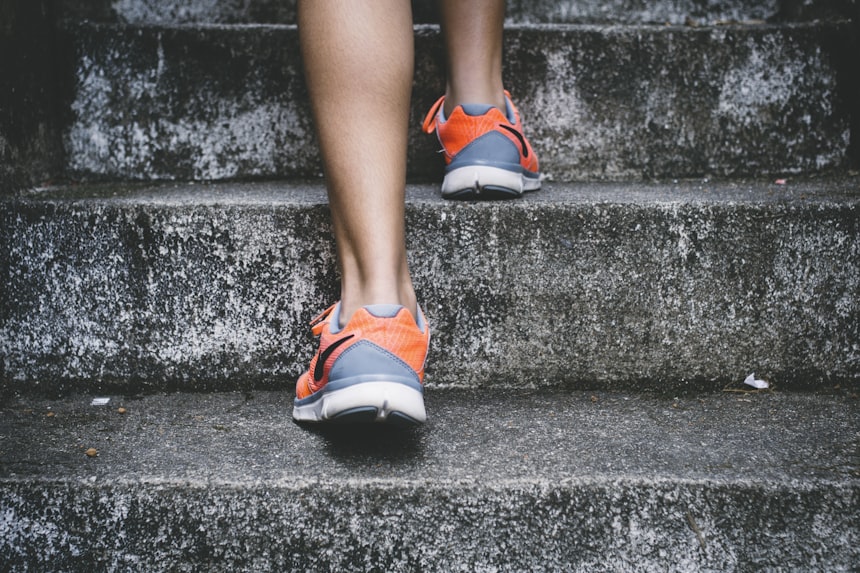
Post-Meal Walks (The Core Trick)
Three 10-minute walks per day — one after each meal — can have a bigger impact on daily glucose than one 30-minute morning jog. It's the most leverage you can get for the least effort.
Resistance Training 3× Per Week
Bigger muscles = more glucose “sponges.” Strength training increases GLUT-4 transporters in muscle fibers, improving insulin sensitivity for days after each session. Even bodyweight exercises count.
HIIT (High-Intensity Interval Training)
15–20 minutes of HIIT can be more effective than 60 minutes of moderate cardio for glycemic control. Bursts of intense effort deplete muscle glycogen, creating a large glucose-absorption window during recovery.
Yoga & Stress-Reduction Practices
Cortisol directly raises blood glucose. Regular yoga, tai chi, and meditation reduce cortisol — and clinical studies show measurable reductions in fasting blood sugar in type 2 diabetics who practice consistently.
Type 2 diabetes is largely a lifestyle disease. What you eat, how you move, how you sleep, and how you manage stress influences your blood sugar as powerfully as any pill — sometimes more.— Dr. Mark Hyman, Head of Strategy, Cleveland Clinic Center for Functional Medicine
Sleep & Stress: The Hidden Blood Sugar Saboteurs
You can eat perfectly and exercise daily — and still have elevated glucose if you're chronically stressed or sleep-deprived. Here's exactly why:
😴 Poor Sleep Raises Blood Sugar
Even a single night under 6 hours can reduce insulin sensitivity by 25% the next day — equivalent to gaining 20–30 lbs of body fat, according to University of Chicago research. The body interprets sleep deprivation as a survival threat and floods the blood with glucose.
- Aim for 7–9 hours of quality sleep every night
- Keep a consistent sleep/wake schedule, even on weekends
- Avoid screens 60 minutes before bed — blue light disrupts melatonin
- Keep your bedroom cool (65–68°F / 18–20°C) for deeper sleep stages

💤 Chronic Stress = Chronic High Blood Sugar
Cortisol and adrenaline trigger the liver to release stored glucose into the bloodstream. If your stress is ongoing, this becomes a constant drip of elevated blood sugar that no diet can fully counteract on its own.
- Practice 5–10 minutes of deep breathing daily (4–7–8 technique)
- Spend time in nature — even 20 minutes lowers cortisol measurably
- Limit caffeine after noon — it elevates cortisol into the evening
- Journaling, therapy, or meditation apps can address chronic stress patterns

Does Intermittent Fasting Help Lower Blood Sugar?
Short answer: Yes — significantly. Intermittent fasting is one of the most powerful tools for improving insulin sensitivity and reducing fasting glucose, with a strong and growing body of clinical evidence behind it.
16:8 Method
Fast 16 hours, eat within an 8-hour window (e.g. noon–8pm). Most sustainable approach. Studies show it reduces fasting insulin by 20–31% within 8–12 weeks.
5:2 Method
Eat normally 5 days; limit to 500–600 calories on 2 non-consecutive days. Effective for both weight loss and HbA1c reduction in type 2 diabetics.
Early Time-Restricted Eating
Eat between 7am and 3pm (aligned with the natural insulin peak in the morning). Research shows this is superior to late-eating windows for glucose — even with identical calorie intake.
If you take insulin or blood sugar–lowering drugs, fasting can cause dangerous hypoglycemia. Never start intermittent fasting without consulting your doctor first. Medication timing may need to be adjusted.
What People Are Saying
Thousands of people have applied these natural strategies and seen measurable improvements in their glucose readings.
“I started the 10-minute walk after meals and within 2 weeks my post-meal readings dropped from the 180s to low 130s. My doctor was genuinely surprised at my next check-up.”
“The ‘veggies first’ trick was a game-changer. Same meals, same portions — but my CGM shows barely a ripple now after eating. I wish I'd known this 10 years ago.”
“Combined the ACV drink with 16:8 fasting. My fasting glucose went from 138 to 94 over 3 months. My doctor took me off Metformin. I can barely believe it.”
The 7-Day Natural Blood Sugar Reset Plan
Start with these evidence-based habits this week. You don't need to do everything at once — but the more you stack, the faster and more powerfully the results compound.
Walk 10 minutes after every meal
Set a phone alarm 15 minutes after breakfast, lunch, and dinner. Start today. This single habit can cut post-meal spikes by nearly a third — immediately.
Eat your vegetables before your carbs
At every meal this week, eat your salad or vegetables first. Then protein and fat. Carbohydrates last. Same food — dramatically flatter glucose curve.
Eliminate all liquid sugar
Cut sodas, fruit juices, sweetened coffees, and sports drinks. Replace with water, sparkling water, unsweetened tea, or black coffee. This alone can lower fasting glucose by 10–15 points within a week.
Add 1 tbsp ACV before your biggest meal
Dilute in a large glass of water. Drink 10–15 minutes before your highest-carb meal of the day. Use raw, unfiltered ACV with the “mother.”
Sleep 7–9 hours — non-negotiable
One extra hour of sleep per night can improve insulin sensitivity more than many dietary changes. Set a consistent bedtime this week and protect it.
Add cinnamon to your morning routine
Stir 1 tsp of Ceylon cinnamon into your morning coffee, oatmeal, or smoothie every day. Simple, cheap, and clinically validated.
Do one resistance workout this week
Even 20 minutes of bodyweight squats, lunges, and push-ups can improve insulin sensitivity for 24–48 hours. Aim to build up to 3 sessions per week.
Frequently Asked Questions
How quickly can I lower my blood sugar naturally? +
Some methods produce results within the same meal. You can see measurable reductions on a glucose monitor within 15–30 minutes of a post-meal walk. Fasting glucose improvements typically take 2–4 weeks of consistent lifestyle changes. HbA1c (the 3-month average) can improve meaningfully in 8–12 weeks.
Can I lower blood sugar without medication? +
For prediabetes and early-stage type 2 diabetes: yes, in many cases, lifestyle changes alone can normalize blood sugar. The landmark Diabetes Prevention Program study found lifestyle interventions reduced progression to diabetes by 58% — outperforming Metformin at 31%. For more advanced diabetes, medication may remain necessary, but lifestyle changes can significantly reduce your dosage needs.
What is a normal blood sugar level? +
Normal fasting glucose (8+ hours without eating) is 70–99 mg/dL. Prediabetes is 100–125 mg/dL. Diabetes is 126+ mg/dL on two separate tests. Two hours after eating, healthy blood sugar should be below 140 mg/dL. The goal is to spend as much time as possible in the 70–120 mg/dL range.
Is fruit bad for blood sugar? +
Whole fruit is generally fine for most people — even diabetics — because fiber slows glucose absorption. Fruit juice is the exception: it removes all fiber and acts like liquid sugar. Best choices: berries, apples, pears, and citrus. Limit: bananas, grapes, mangoes, and tropical fruits — especially when overripe.
Ready to Take Control of Your Blood Sugar?
Start with the 10-minute post-meal walk today. It costs nothing, requires no equipment, and can begin working within hours. Your body — and your next lab results — will thank you.
Read the Full Trick Again ↑⚡ The #1 Trick: Walk 10 minutes after every meal to cut glucose spikes by up to 30%
Learn How →